Community Building & Event Design: The Life of Gamers Club
Community Building & Event Design: The Life of Gamers Club
A systemic design initiative transforming a shared passion for gaming into a productive university ecosystem. As Founder, I engineered the club’s operational framework-merging strategic communication, scalable branding, and immersive technological applications like projection mapping to drive community impact.
A systemic design initiative transforming a shared passion for gaming into a productive university ecosystem. As Founder, I engineered the club’s operational framework-merging strategic communication, scalable branding, and immersive technological applications like projection mapping to drive community impact.
CONTEXT
University Ecosystem & Cultural Development
MEDIUM
Brand Identity Event Management Projection Mapping Team Leadership
Year
2021 - 2024
Role
Founder, President & Lead Strategic Designer
Translating a static brand identity into a dynamic broadcast UI requires strict adherence to Information Architecture (IA) and visual hierarchy.
I engineered a motion design system utilizing the official FIFA WC 26 brand guidelines. By carefully mapping the color palette and typography (ranging from Thin to ExtraBold), I ensured optimal legibility, accessibility, and minimal cognitive load across various screen sizes. Every vector wipe and typographic reveal was calculated to guide the viewer’s eye seamlessly through the broadcast information.
Before moving into high-fidelity digital production, I developed low-fidelity wireframes and storyboards. This phase was crucial for testing the visual flow, screen framing, and the pacing of the narrative arc. By treating the sequence as a user journey, the storyboard animatic allowed us to map out camera cuts and transitions against the audio track, ensuring that the digital experience felt intuitive, rhythmic, and highly engaging before executing the final motion keyframing.
Before moving into high-fidelity digital production, I developed low-fidelity wireframes and storyboards. This phase was crucial for testing the visual flow, screen framing, and the pacing of the narrative arc. By treating the sequence as a user journey, the storyboard animatic allowed us to map out camera cuts and transitions against the audio track, ensuring that the digital experience felt intuitive, rhythmic, and highly engaging before executing the final motion keyframing.

Building a Cultural Context from Scratch:
The challenge was not merely starting a student club, but establishing a sustainable cultural and productive
ecosystem within the university.
"Life of Gamers" (LOG) was founded to transform a fragmented interest in video games into a structured,
educational, and socially engaging community.
The goal was to design an organizational system capable of executing large-scale events and transferring technical skills.
Building a Cultural Context from Scratch:
The challenge was not merely starting a student club, but establishing a sustainable cultural and productive
ecosystem within the university.
"Life of Gamers" (LOG) was founded to transform a fragmented interest in video games into a structured,
educational, and socially engaging community.
The goal was to design an organizational system capable of executing large-scale events and transferring technical skills.
Building a Cultural Context from Scratch:
The challenge was not merely starting a student club, but establishing a sustainable cultural and productive
ecosystem within the university.
"Life of Gamers" (LOG) was founded to transform a fragmented interest in video games into a structured,
educational, and socially engaging community.
The goal was to design an organizational system capable of executing large-scale events and transferring technical skills.




Designing the Operational Framework:
I approached the club's formation as a systemic design project.
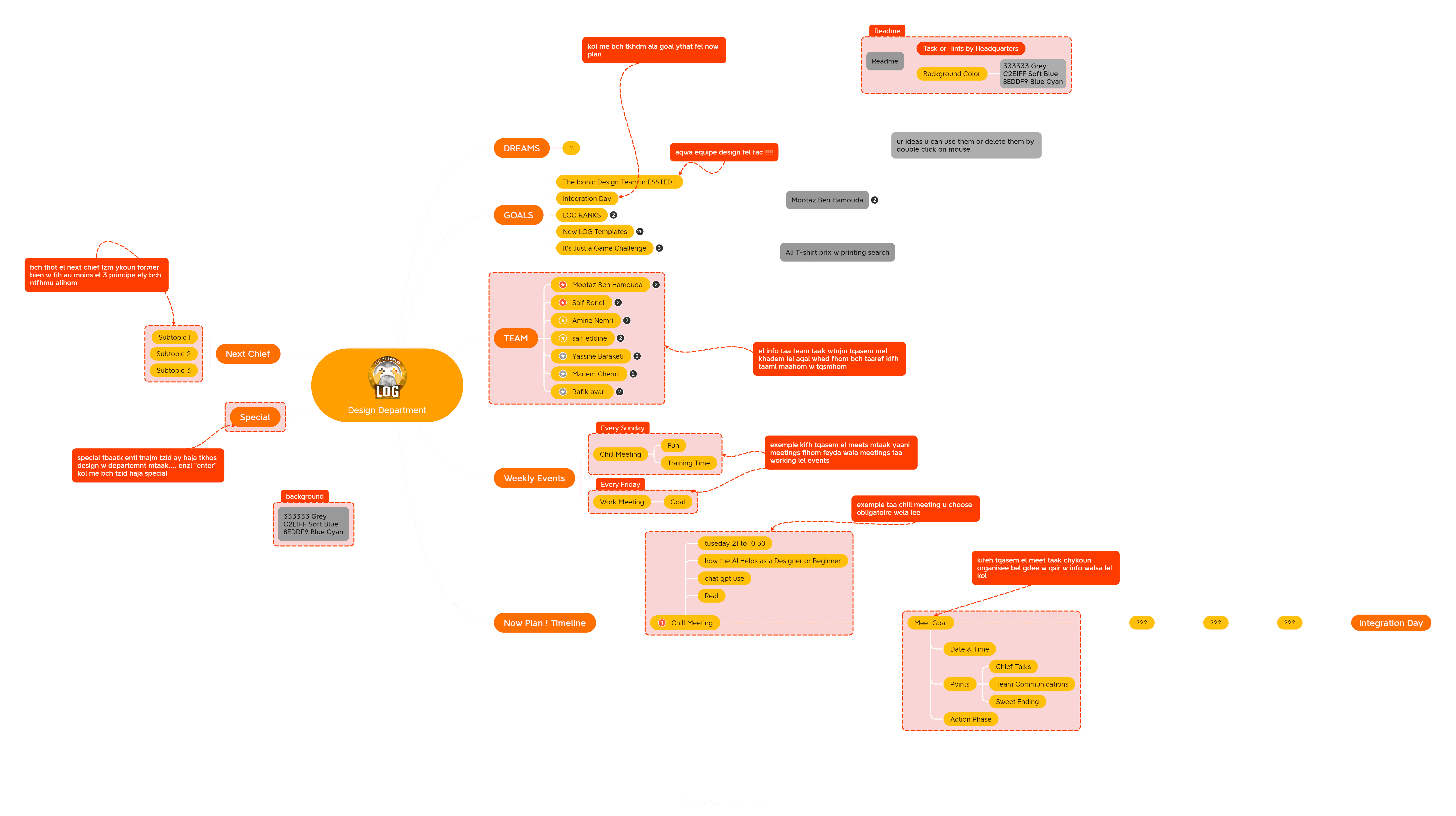
I engineered the organizational architecture by establishing specialized departments (Marketing, Design, Logistics, and Sponsoring)
and implementing agile project management workflows using tools like Xmind and Discord.
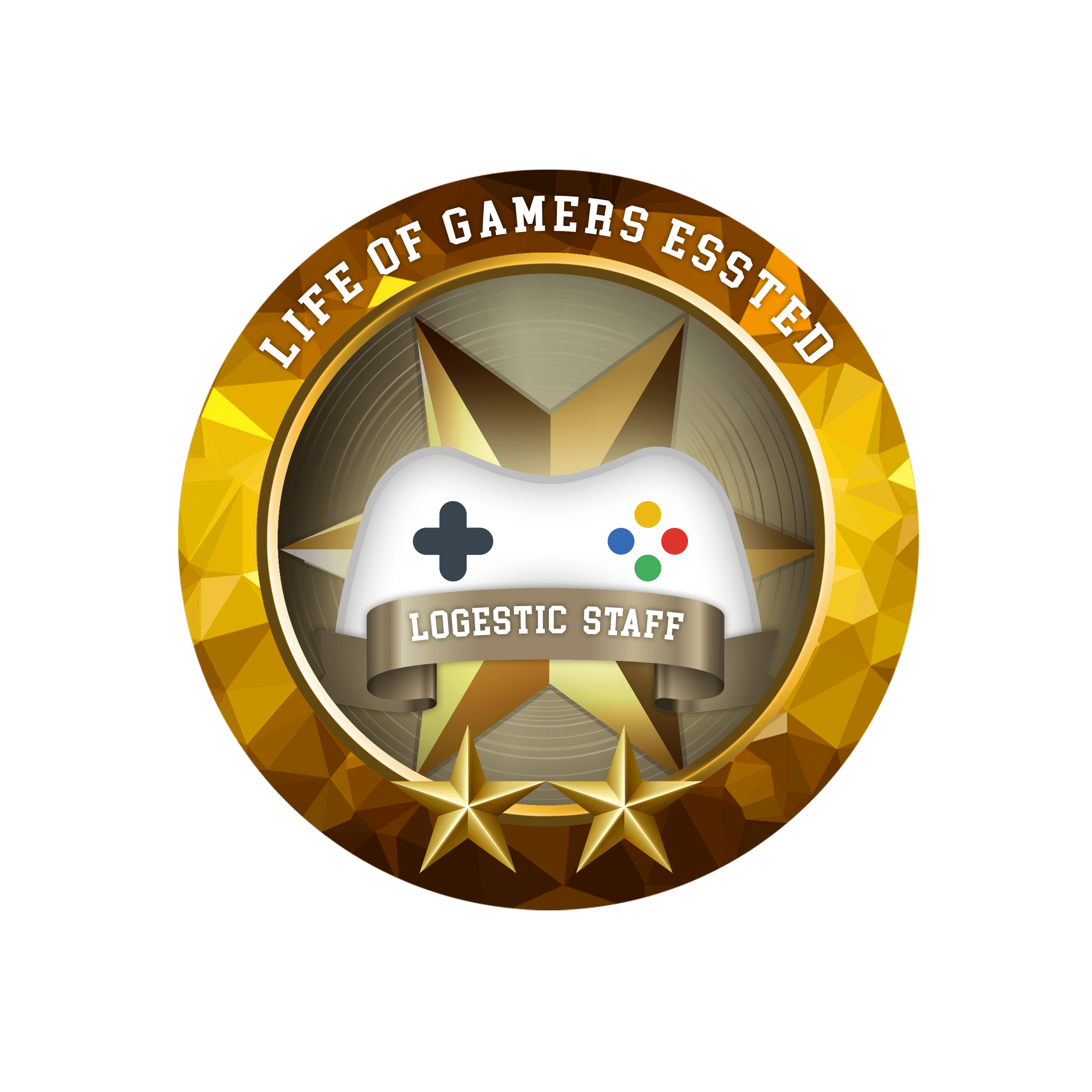
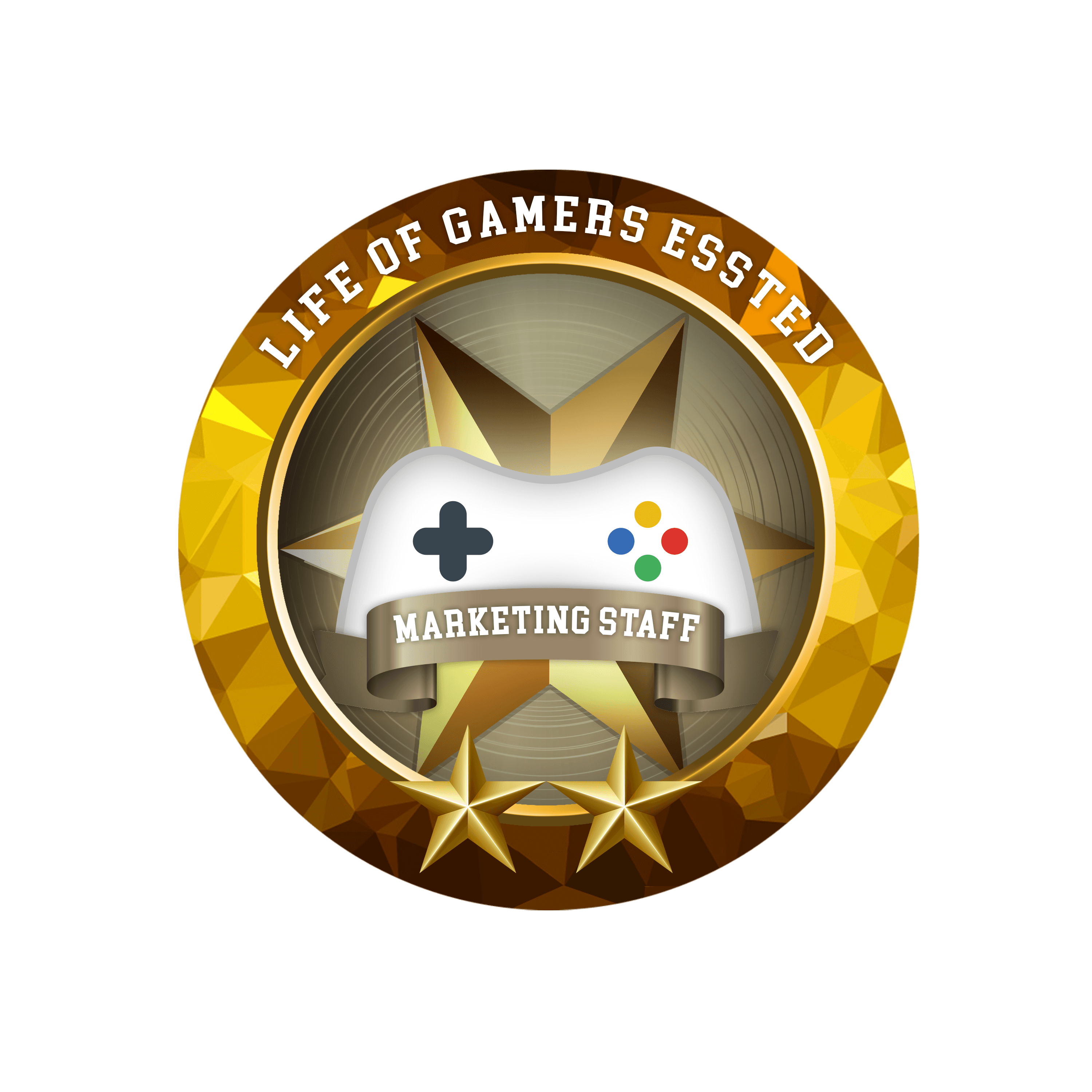
Visually, I developed a comprehensive and scalable brand identity-from the core logo to operational assets like official badges,
team uniforms, and customized "LOG Ranks" pins-ensuring a highly professional
and cohesive community culture.
Designing
the Operational
Framework:
I approached the club's formation as a systemic design project.
I engineered the organizational architecture by establishing
specialized departments (Marketing, Design, Logistics, and Sponsoring) and implementing agile project management workflows using tools like Xmind and Discord.
Visually, I developed a comprehensive and scalable brand identity-from the core logo to operational assets like official badges, team uniforms, and customized "LOG Ranks" pins-ensuring a highly professional and cohesive community culture.
Designing the Operational Framework:
I approached the club's formation as a systemic design project.
I engineered the organizational architecture by establishing specialized departments (Marketing, Design, Logistics, and Sponsoring) and implementing agile project managementworkflows using tools like Xmind and Discord.
Visually, I developed a comprehensive and scalable brand identity-from the core logo to operational assets like official badges, team uniforms, and customized "LOG Ranks" pins-ensuring a highly professional and cohesive community culture.
Merging Technology with Physical Spaces:
To deliver immersive experiences, I led the integration of digital technologies into physical environments.
A prime example was our contribution to the Annual International Design Meetings (RAID 2022),
where I utilized Resolume Arena to execute complex Projection Mapping onto the university's water tower.
Furthermore, I oversaw the logistics and digital broadcasting for large-scale events, including
the "Rise of Gamers" 1v1 Tournaments and interactive digital art workshops, seamlessly blending motion design,
UI, and live event production.
Merging Technology
with Physical Spaces:
To deliver immersive experiences, I led the integration of digital technologies into physical environments.
A prime example was our contribution to the Annual International Design Meetings (RAID 2022),
where I utilized Resolume Arena to execute complex Projection Mapping onto the university's water tower.
Furthermore, I oversaw the logistics and digital broadcasting for large-scale events, including the "Rise
of Gamers" 1v1 Tournaments and interactive digital art workshops, seamlessly blending motion design, UI,
and live event production.
Merging Technology with Physical Spaces:
To deliver immersive experiences, I led the integration of digital technologies into physical environments.
A prime example was our contribution to the Annual International Design Meetings (RAID 2022),
where I utilized Resolume Arena to execute complex Projection Mapping onto the university's water tower.
Furthermore, I oversaw the logistics and digital broadcasting for large-scale events, including the "Rise
of Gamers" 1v1 Tournaments and interactive digital art workshops, seamlessly blending motion design, UI,
and live event production.


Sustainable Growth
& Productive Partnerships:
Community Growth: Successfully recruited, trained, and managed an expanding network of over 40+ active members, fostering a legacy of creative leadership.
Commercial Partnerships: Leveraged our strategic brand positioning to secure and manage real-world sponsorships with corporate partners like Skymil Informatique and Sweet Calf, ensuring the club's financial productivity.
Skill Transfer: Facilitated specialized technical workshops (e.g., 3D Modeling with Cinema 4D, Digital Illustration) to empower members, directly contributing
to their professional readiness.
Sustainable Growth
& Productive Partnerships:
Community Growth: Successfully recruited, trained, and managed an expanding network of over 40+ active members, fostering a legacy of creative leadership.
Commercial Partnerships: Leveraged our strategic brand positioning to secure and manage real-world sponsorships with corporate partners like Skymil Informatique and Sweet Calf, ensuring the club's financial productivity.
Skill Transfer: Facilitated specialized technical workshops (e.g., 3D Modeling with Cinema 4D, Digital Illustration) to empower members, directly contributing
to their professional readiness.
Sustainable Growth
& Productive Partnerships:
Community Growth: Successfully recruited, trained, and managed an expanding network of over 40+ active members, fostering a legacy of creative leadership.
Commercial Partnerships: Leveraged our strategic brand positioning to secure and manage real-world sponsorships with corporate partners like Skymil Informatique and Sweet Calf, ensuring the club's financial productivity.
Skill Transfer: Facilitated specialized technical workshops (e.g., 3D Modeling with Cinema 4D, Digital Illustration) to empower members, directly contributing
to their professional readiness.
2024: